
How Commercial Tinting Reduces Energy Costs and Glare
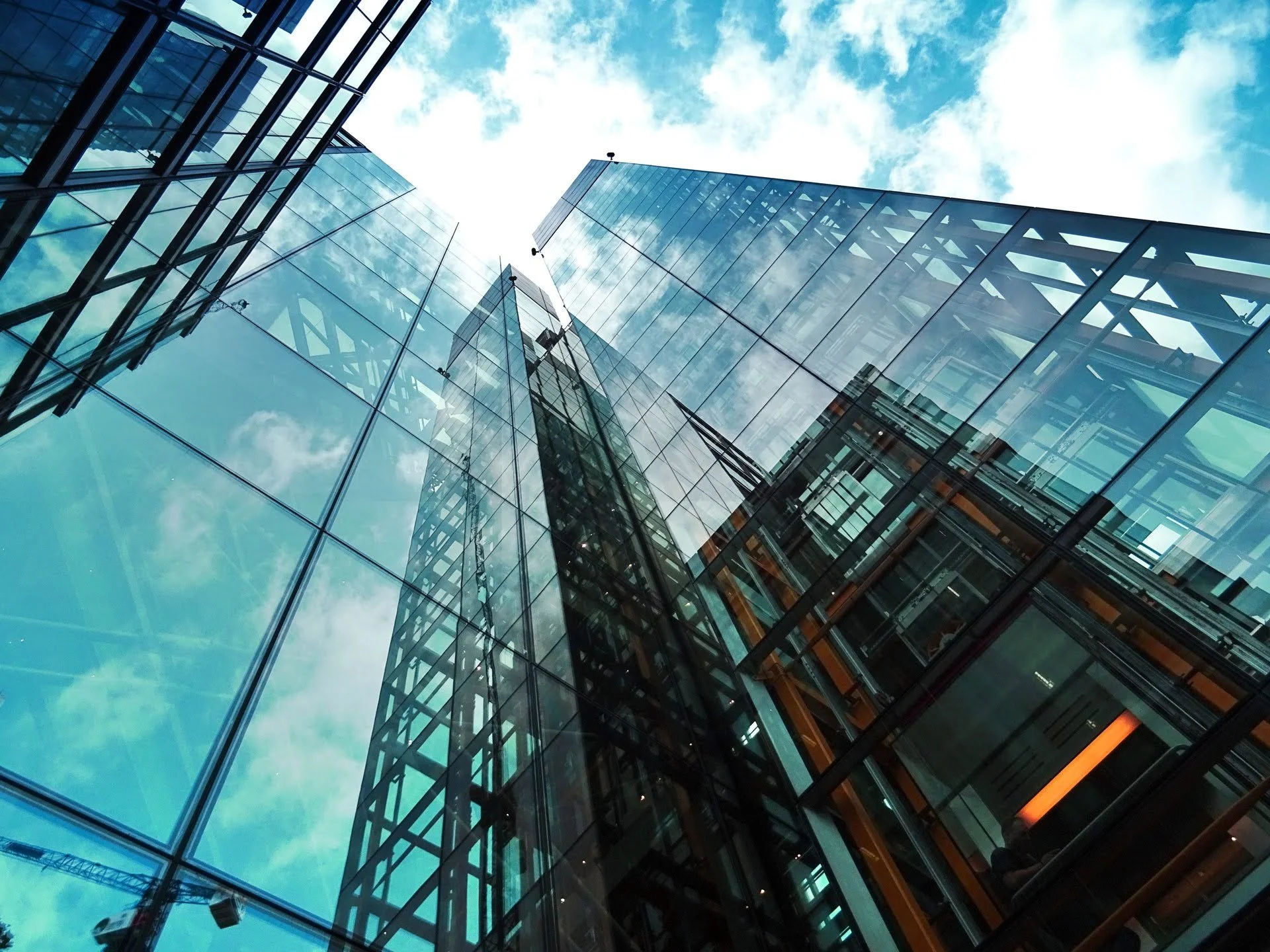
If you've ever worked in an office where the afternoon sun turns your workspace into a sauna, or where you find yourself squinting at your computer screen because of harsh glare, you already know how uncomfortable these conditions can be. What you might not realize is that these same issues are quietly driving up your building's energy expenses month after month. Commercial window tinting offers a straightforward solution to both problems, creating more comfortable work environments while helping businesses keep their utility bills in check.
Understanding How Window Tinting Works
Window tinting isn't just about making glass darker. Modern tinting films are designed with multiple layers that work together to manage how light and heat pass through your windows. These films essentially act as a filter, allowing natural light to enter your building while blocking much of the heat and reducing the intensity of direct sunlight.
Think of it like sunglasses for your building. Just as sunglasses protect your eyes while still letting you see clearly, window tint protects your interior spaces without making them feel dark or closed off. The film adheres directly to the glass surface, creating a barrier that changes how energy from the sun interacts with your windows.
The Connection Between Windows and Energy Costs
Windows are often overlooked when businesses think about energy efficiency, yet they play a significant role in heating and cooling expenses. Untreated glass allows solar heat to pour into your building during warm months, forcing your cooling system to work harder to maintain comfortable temperatures. During colder seasons, that same glass can let heat escape from inside, making your heating system run more frequently.
When you add commercial window tint to your building's windows, you're addressing this problem at its source. The tinting film helps regulate the amount of heat that enters or exits through the glass, reducing the burden on your climate control systems. This means your HVAC equipment doesn't have to cycle on and off as frequently, which naturally leads to lower energy consumption over time.
Creating More Consistent Indoor Temperatures
Beyond just reducing energy usage, tinted windows help create more stable temperatures throughout your building. Many commercial spaces struggle with hot spots near windows and cooler areas farther from exterior walls. This temperature inconsistency isn't just uncomfortable for employees and customers; it also forces your climate control system to work inefficiently as it tries to compensate for these variations.
Window tinting helps even out these temperature differences by limiting the amount of direct solar heat that enters through the glass. This creates a more uniform climate throughout your space, which contributes to both comfort and energy savings.
Addressing the Glare Problem
Glare might seem like a minor annoyance, but its effects on productivity and comfort can be substantial. When sunlight bounces off computer screens or creates bright spots in your field of vision, it causes eye strain and makes it difficult to focus on work. Employees often respond by closing blinds or adjusting their workstations, which can block out natural light entirely and create a less appealing workspace.
Tinted windows reduce glare while still allowing daylight to fill your interior spaces. This balance is important because natural light has been shown to positively affect mood and alertness. With window tinting, you can enjoy the benefits of natural illumination without the downsides of harsh glare.
Protecting Your Interior Investments
The same sunlight that causes glare can also damage your interior furnishings, flooring, and merchandise over time. UV rays gradually fade fabrics, discolor wood, and deteriorate materials. Window tinting blocks a substantial portion of these harmful rays, helping preserve everything from office furniture to retail displays. This protective quality means your interior investments maintain their appearance longer, saving you money on replacements and renovations.
Making the Transition to Tinted Windows
Adding tinting to your commercial building is typically a straightforward process. The application can often be completed with minimal disruption to your daily operations, and once installed, tinted films require little maintenance beyond regular window cleaning.
Different tinting options are available to suit various needs and preferences. Some films are designed primarily for heat rejection, while others focus on reducing glare or providing privacy. The right choice depends on your building's orientation, local climate, and specific challenges you're facing with your current windows.
The Long-Term Value Proposition
While there's an initial investment involved in adding window tinting to your commercial space, the ongoing savings on energy costs help offset this expense over time. Many businesses find that the comfort improvements and reduced utility bills make tinting a worthwhile addition to their building upgrades.
Beyond the financial aspects, there's value in creating a more comfortable environment for everyone who uses your space. Whether you're trying to make your office more appealing to employees or creating a better experience for customers in your retail location, reducing heat and glare contributes to a more pleasant atmosphere.
Commercial window tinting offers a practical approach to two common challenges that many businesses face: high energy costs and uncomfortable glare. By managing how sunlight interacts with your building's windows, tinting helps create more consistent indoor temperatures, reduces strain on your climate control systems, and makes your workspace more comfortable for everyone. The combination of immediate comfort improvements and ongoing energy savings makes window tinting an investment worth considering for your commercial property. If you're ready to explore how window tinting could benefit your business, connect with our team to discuss your specific needs and learn more about your options.
Frequently Asked Questions
How long does commercial window tinting typically last?
Most commercial window films are designed to maintain their effectiveness for many years when properly installed and maintained. The lifespan can vary depending on factors like sun exposure, climate conditions, and the quality of installation, but you can generally expect your tinting to perform well for an extended period.
Will window tinting make my building look too dark from the outside?
Modern tinting options come in various shades and finishes, many of which are quite subtle in appearance. You can choose films that provide the benefits of heat and glare reduction without dramatically changing how your building looks from the street.
Can window tinting be applied to all types of commercial glass?
Most standard commercial windows can accommodate tinting films, though certain specialty glass types may require specific film selections. Factors like glass thickness, whether windows are single or double-paned, and existing coatings all play a role in determining the best tinting approach.
Does window tinting interfere with visibility or make rooms feel closed in?
Quality tinting films are designed to reduce heat and glare while still allowing natural light to pass through. Most people find that their spaces feel just as open and bright after tinting, but without the uncomfortable effects of direct sunlight.
Is there ongoing maintenance required after installation?
Window tinting requires very little special maintenance. You can clean tinted windows much like you would any other windows, though it's recommended to wait a short period after installation before cleaning and to avoid abrasive materials that might scratch the film surface.